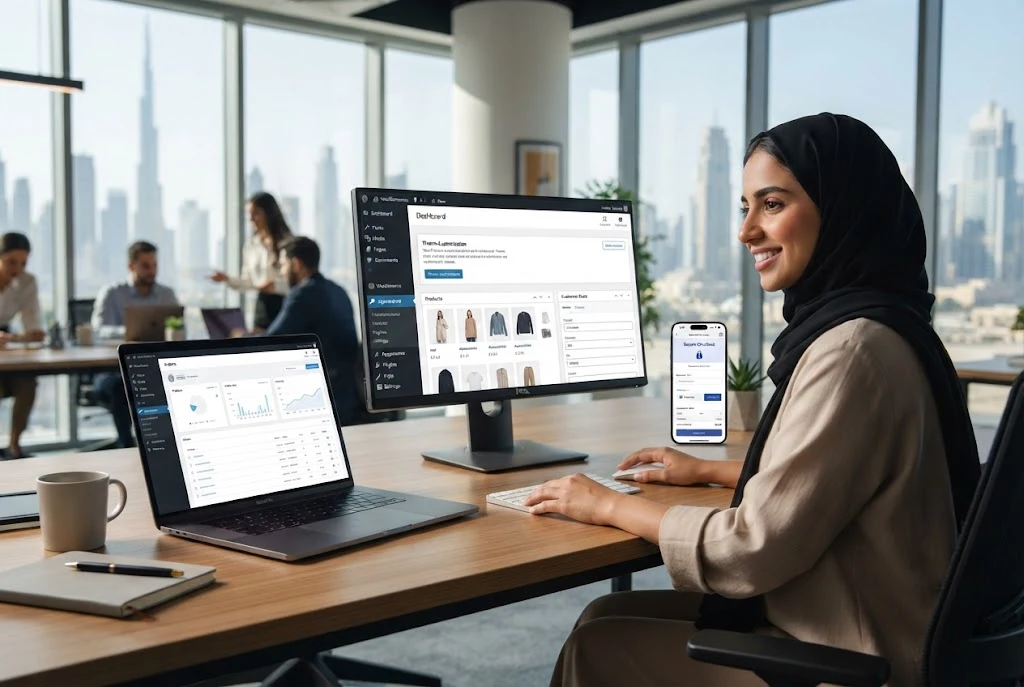
The real estate industry has become increasingly dependent on technology to manage properties, tenants, maintenance requests, financial records, and operational workflows. Whether managing residential apartments, commercial buildings, office spaces, warehouses, or mixed-use developments, property managers need reliable systems to maintain efficiency and visibility.
Open source property management software has emerged as an attractive option for businesses seeking greater flexibility, customization, and control over their property management operations. Unlike proprietary solutions, open-source platforms allow organizations to adapt software according to their specific requirements while reducing dependence on a single software vendor.
As digital transformation continues across the UAE real estate sector, property management technology is becoming an essential operational tool.
What Is Open Source Property Management Software?
Open source property management software is a platform designed to help organizations manage real estate operations while providing access to the software’s source code for customization and development.
These systems support a variety of property-related functions including:
- Property management
- Tenant management
- Lease administration
- Maintenance tracking
- Financial management
- Reporting and analytics
- Document management
The open-source model allows businesses to modify functionality and integrate the software with other operational systems.
Why Businesses Choose Open Source Property Management Software
Organizations select open-source solutions for several reasons.
Customization Flexibility
Businesses can tailor workflows, interfaces, reports, and integrations according to their operational requirements.
Technology Independence
Organizations maintain greater control over software development and deployment decisions.
Lower Licensing Costs
Many open-source solutions reduce or eliminate recurring software licensing fees.
Integration Opportunities
Open-source platforms often support integration with accounting systems, ERP software, CRM platforms, and inventory management solutions.
Core Features of Property Management Software
Modern property management platforms include a broad range of operational tools.
Property Management
Manage property portfolios, unit information, occupancy data, and property performance metrics.
Tenant Management
Track tenant information, lease agreements, communication history, and account records.
Lease Administration
Monitor lease terms, renewal schedules, rental agreements, and contract documentation.
Maintenance Management
Record maintenance requests, track service activities, and manage repair workflows.
Reporting and Analytics
Generate operational, financial, and occupancy reports that support decision-making.
Benefits of Property Management Software
Property management software helps organizations improve efficiency across multiple operational areas.
Key benefits include:
- Improved operational visibility
- Reduced administrative workload
- Better tenant communication
- Centralized property records
- Enhanced reporting capabilities
- Improved maintenance coordination
- Scalable portfolio management
These advantages help property managers operate more effectively while improving service quality.
Property Management Software and Financial Operations
Financial management is a critical component of property operations.
Property management platforms often include functionality related to:
- Rent collection tracking
- Expense management
- Financial reporting
- Budget monitoring
- Vendor payments
- Property performance analysis
Organizations seeking stronger financial visibility frequently integrate property systems with bookkeeping and accounting workflows.
This integration improves reporting accuracy and operational transparency.
Property Management Software and CRM Integration
Property management increasingly involves customer relationship management activities.
Many organizations integrate property systems with CRM platforms to manage:
- Prospective tenants
- Lead tracking
- Customer communication
- Marketing activities
- Relationship management
Businesses evaluating CRM integration strategies often explore solutions such as Zoho CRM to support tenant acquisition and customer engagement processes.
Property Management Software and Inventory Tracking
Large real estate portfolios often require inventory management for maintenance supplies, equipment, and operational assets.
Property managers may need to track:
- Maintenance materials
- Cleaning supplies
- Building equipment
- Operational assets
- Replacement components
Organizations frequently connect property software with inventory management software UAE solutions to improve asset visibility and operational efficiency.
One ERP System and Property Management
As property portfolios grow, businesses often seek greater integration between departments and operational functions.
Many organizations implement a one ERP system strategy that connects property management, accounting, procurement, maintenance, inventory, and reporting through a centralized platform.
Benefits include:
- Improved data consistency
- Reduced manual processes
- Centralized reporting
- Better collaboration
- Enhanced operational visibility
This integrated approach supports long-term scalability and efficiency.
Open Source vs Proprietary Property Management Software
Businesses evaluating software options often compare open-source and proprietary platforms.
Open Source Advantages
- Customization flexibility
- Technology ownership
- Integration freedom
- Potential cost savings
Proprietary Software Advantages
- Dedicated vendor support
- Simplified implementation
- Managed updates
- Structured deployment processes
The ideal choice depends on business goals, technical resources, and operational requirements.
Cloud-Based Property Management Software
Cloud technology has transformed property management by enabling remote access and centralized operations.
Cloud-based solutions offer:
- Anywhere access
- Automatic updates
- Lower infrastructure requirements
- Improved collaboration
- Scalable deployment options
These benefits make cloud-based property management increasingly popular among modern real estate organizations.
Property Management Technology in the UAE
The UAE real estate market continues to embrace digital transformation across residential, commercial, and mixed-use developments.
Property management software helps organizations improve efficiency while supporting growing tenant expectations and operational complexity.
As technology adoption increases, integrated property management solutions are becoming essential tools for real estate companies seeking long-term competitiveness.
How to Choose the Right Property Management Software
Before selecting a platform, businesses should evaluate:
- Portfolio size
- Property types
- Customization requirements
- Integration capabilities
- Reporting functionality
- Cloud deployment options
- Scalability
- Security requirements
The right solution should support both current operational needs and future growth objectives.
Real estate professionals interested in technology trends and property management best practices can also explore resources from the Building Owners and Managers Association (BOMA), a leading organization focused on commercial real estate management and operational excellence.
Final Thoughts
Open source property management software provides real estate organizations with a flexible and customizable approach to managing properties, tenants, maintenance activities, and operational workflows.
Whether deployed independently or integrated with CRM, accounting, inventory, and ERP systems, these platforms help businesses improve efficiency, increase visibility, and support long-term growth. For organizations seeking greater technology control and customization flexibility, open-source property management solutions can be a compelling option.