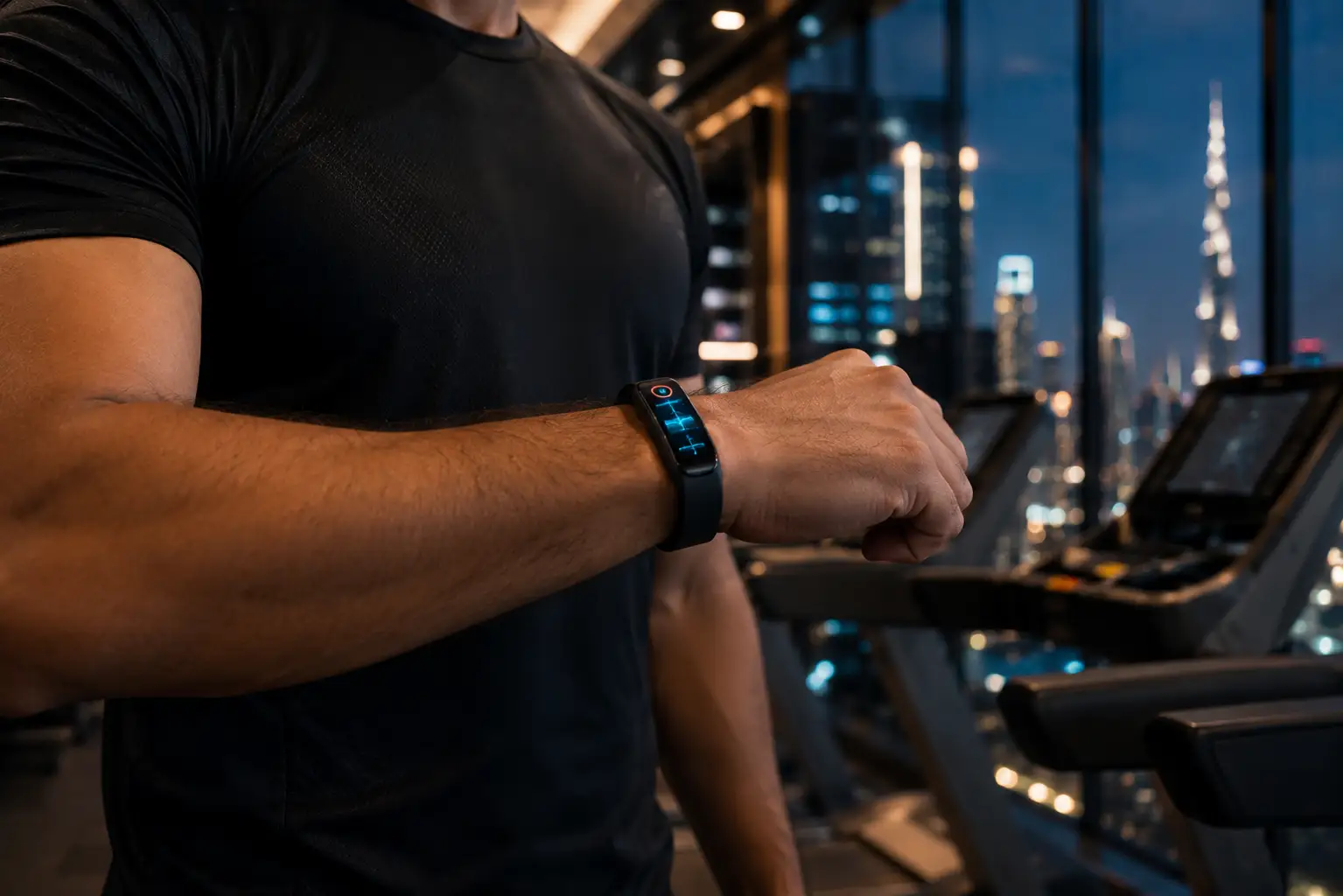
Wearable fitness technology has evolved far beyond simple step counting, and the Whoop Band is one of the clearest examples of that transformation. Instead of focusing mainly on notifications or smartphone-style features, Whoop prioritizes health analytics, recovery tracking, sleep monitoring, and performance optimization.
In the UAE, wearable technology adoption continues rising among fitness enthusiasts, athletes, professionals, and health-conscious users looking for more detailed insights into daily performance and recovery.
This guide explains what the Whoop Band is, how it works, its key features, and why it has become one of the most discussed fitness wearables in 2026.
What Is the Whoop Band?
The Whoop Band is a screenless wearable fitness tracker designed to monitor health and performance metrics continuously throughout the day.
Unlike many smartwatches that combine productivity tools with fitness features, Whoop focuses heavily on biometric analysis and recovery optimization.
The device tracks:
- Heart rate
- Sleep quality
- Recovery levels
- Strain and exertion
- Stress metrics
- Daily activity
- Health trends over time
The platform uses connected mobile applications and cloud-based analytics to generate detailed health insights.
Why the Whoop Band Is Different
No Traditional Screen
One of the biggest differences between Whoop and standard smartwatches is the absence of a traditional display.
The device is designed to collect data continuously without distracting users through notifications or app overload.
Recovery-Focused Analytics
Whoop places strong emphasis on recovery metrics rather than only workout statistics.
The system analyzes how prepared the body is for physical activity based on factors such as:
- Sleep quality
- Heart rate variability
- Resting heart rate
- Physical strain
- Recovery patterns
Subscription-Based Ecosystem
Whoop operates primarily through a membership model that includes analytics software and ongoing platform updates.
Fitness Wearables in the UAE
The UAE’s health and wellness sector continues expanding rapidly, supported by growing interest in:
- Fitness technology
- Digital health monitoring
- Smart gyms
- Wearable ecosystems
- Personal performance tracking
Consumers increasingly use connected wearables alongside smartphones such as the Google Pixel 8 Pro and Samsung S23 series for health management and mobile connectivity.
Main Features of the Whoop Band
Sleep Tracking
Sleep tracking remains one of Whoop’s strongest features.
The platform measures:
- Sleep duration
- Sleep stages
- Sleep consistency
- Recovery quality
- Sleep debt
Users receive recommendations designed to improve recovery and long-term wellness.
Recovery Scores
Whoop calculates daily recovery scores to estimate how prepared users are for physical activity.
This feature appeals strongly to athletes and individuals following structured training routines.
Strain Monitoring
The platform measures cardiovascular strain throughout the day to estimate physical exertion levels.
This helps users better balance intense training with proper recovery.
Continuous Heart Rate Monitoring
The Whoop Band continuously monitors heart rate trends throughout workouts, rest periods, and sleep cycles.
Whoop Band for Athletes and Fitness Enthusiasts
The wearable gained popularity among professional athletes, trainers, and fitness communities because of its performance-oriented approach.
Many users appreciate the focus on long-term health optimization rather than only workout tracking.
Fitness-focused technology trends also align with broader digital lifestyle ecosystems involving gaming, streaming, and mobile connectivity that dominate modern online culture.
Battery Life and Wearability
The Whoop Band is designed for nearly continuous wear.
Key design advantages include:
- Lightweight construction
- Comfort-focused design
- Long battery performance
- Minimal distraction
- Continuous data collection
Many users wear the device during workouts, sleep, travel, and daily activities without interruption.
How the Whoop App Works
The wearable connects to a companion mobile application where users access analytics and health insights.
The app provides:
- Performance dashboards
- Sleep reports
- Recovery recommendations
- Trend analysis
- Health monitoring data
Cloud-based synchronization allows users to monitor long-term performance trends across devices.
Wearables and Internet Connectivity
Modern wearable ecosystems rely heavily on internet infrastructure, cloud analytics, and connected applications.
Understanding network systems and online privacy concepts such as what is my IP address can help users better understand how connected devices communicate with digital services and cloud platforms.
Whoop Band vs Smartwatches
The Whoop Band differs from traditional smartwatches because it focuses more on analytics than multitasking features.
Whoop Strengths
- Recovery tracking
- Sleep analytics
- Continuous biometric monitoring
- Performance optimization
- Minimalist wearable experience
Smartwatch Strengths
- Notifications
- Apps and messaging
- Productivity tools
- Entertainment features
- General-purpose functionality
The ideal choice depends on whether users prioritize wellness analytics or broader smartwatch functionality.
How AI Is Changing Wearable Technology
Artificial intelligence increasingly powers wearable fitness ecosystems.
AI-driven systems now help analyze:
- Recovery patterns
- Exercise efficiency
- Sleep quality
- Heart rate trends
- Stress signals
- Performance optimization
This trend mirrors the broader expansion of AI across consumer technology, including flagship mobile devices and connected digital ecosystems.
Smart Wearables and Digital Lifestyle Trends
Modern consumers increasingly combine:
- Fitness tracking
- Gaming culture
- Streaming entertainment
- Mobile productivity
- Digital wellness tools
Entertainment ecosystems connected to platforms like Bilibili TV and gaming communities discussing topics such as Blox Fruit codes demonstrate how digital lifestyles continue expanding beyond traditional device categories.
Is the Whoop Band Worth It?
The Whoop Band is especially appealing for users who prioritize:
- Detailed health analytics
- Recovery optimization
- Fitness tracking
- Sleep analysis
- Performance improvement
Users mainly seeking notifications, entertainment features, or productivity tools may prefer broader smartwatch ecosystems instead.
The Future of Health Wearables
Wearable technology continues evolving rapidly as sensors, AI systems, and cloud analytics become more advanced.
Future wearable ecosystems may increasingly support:
- Predictive health monitoring
- AI wellness coaching
- Continuous biometric analysis
- Remote healthcare integration
- Advanced recovery recommendations
According to Whoop’s official platform overview, wearable analytics are becoming increasingly important for both professional athletes and everyday wellness users.
Final Thoughts
The Whoop Band represents a growing shift toward data-driven health and recovery optimization in modern wearable technology.
Its focus on sleep, recovery, and performance analytics makes it different from many traditional smartwatches that prioritize notifications and app ecosystems.
For UAE technology audiences interested in fitness innovation, health analytics, and connected wearable ecosystems, the Whoop Band remains one of the most interesting wearable devices in 2026.
As wearable technology and AI continue advancing together, performance-focused devices like Whoop are likely to become even more influential within the future digital wellness landscape.