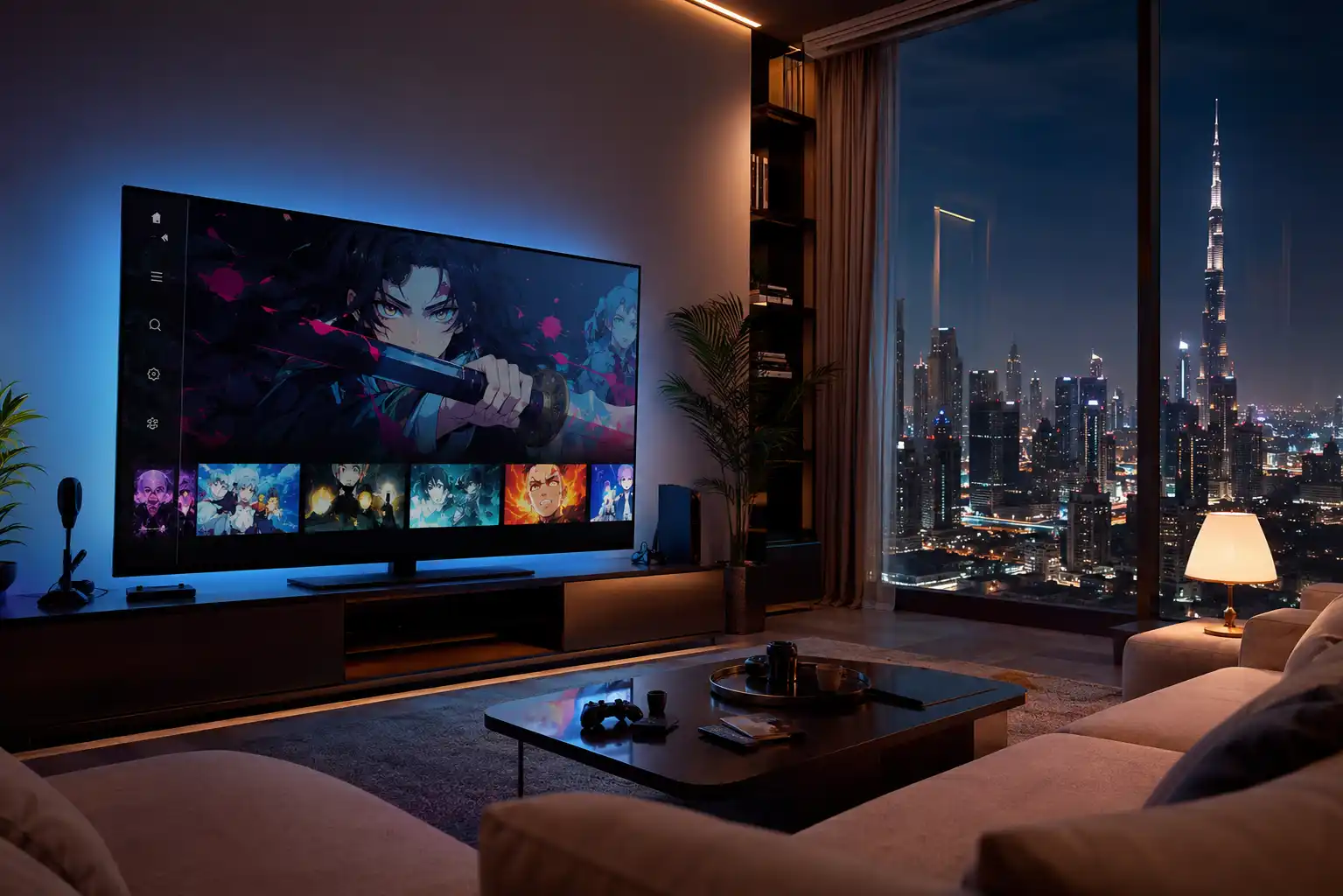
Choosing between a smart TV vs Android TV can be confusing, especially when modern televisions offer a wide range of streaming apps, voice controls, and smart home features. While many people use these terms interchangeably, they are not exactly the same. Understanding the difference can help you make a better buying decision based on your entertainment needs, budget, and preferred ecosystem.
In the UAE, consumers have access to a broad selection of televisions from brands such as Samsung, LG, Sony, TCL, Hisense, and Xiaomi. Some use proprietary smart TV platforms, while others run Android TV or Google TV. Knowing the strengths and limitations of each option is essential before making a purchase.
What Is a Smart TV?
A smart TV is any television that can connect to the internet and access online content without requiring an external streaming device. Smart TVs come with built-in operating systems that allow users to install apps, stream videos, browse content, and connect to various online services.
Different manufacturers use different operating systems. For example:
- Samsung uses Tizen OS.
- LG uses webOS.
- Hisense may use VIDAA.
- Some brands use proprietary operating systems.
These platforms are designed to provide easy access to streaming services such as Netflix, YouTube, Prime Video, and regional entertainment apps.
What Is an Android TV?
An Android TV is a specific type of smart TV that runs Google’s Android TV operating system. Since it is powered by Google, it offers access to the Google Play Store, Google Assistant, Chromecast functionality, and a large ecosystem of Android-compatible applications.
Android TV is commonly found on televisions from Sony, TCL, Xiaomi, Hisense, and several other manufacturers.
Modern Android TV devices are increasingly transitioning toward Google TV, which adds a more personalized content discovery experience while retaining Android’s core functionality.
Smart TV vs Android TV: Key Differences
The biggest difference between smart TV and Android TV lies in the operating system and ecosystem. Although both can stream content and connect to the internet, their capabilities vary significantly.
1. Operating System
Traditional smart TVs often use manufacturer-specific operating systems. These systems are optimized for the hardware but may offer fewer apps.
Android TV uses Google’s operating system, giving users access to a larger application library and more customization options.
2. App Availability
Android TV generally offers a broader range of applications through the Google Play Store.
Many proprietary smart TV platforms support major streaming services but may have limited access to niche applications.
If you frequently use different streaming platforms or productivity apps, Android TV often provides more flexibility.
3. Voice Control
Most Android TVs include Google Assistant integration, allowing users to search content, control smart home devices, check weather updates, and perform voice searches.
Smart TVs from other manufacturers may offer their own voice assistants or support Amazon Alexa, but capabilities can vary.
4. Casting and Screen Sharing
Android TV includes built-in Chromecast functionality, making it simple to cast content from Android smartphones, tablets, and Chrome browsers.
Some smart TVs offer similar features, but compatibility may depend on the brand and operating system.
5. Software Updates
Google frequently updates Android TV platforms, improving security and introducing new features.
Some proprietary smart TV platforms receive updates less frequently, depending on the manufacturer.
Advantages of Android TV
- Access to thousands of apps through Google Play Store.
- Google Assistant integration.
- Built-in Chromecast support.
- Regular software improvements.
- Better integration with Android smartphones and tablets.
- Greater customization options.
For users interested in a broader Android ecosystem, Android TV often provides a more versatile experience.
Advantages of Traditional Smart TVs
- Simpler user interfaces.
- Optimized performance for specific hardware.
- Fast navigation on premium models.
- Strong support for major streaming services.
- Often easier for non-technical users.
Many consumers prefer proprietary smart TV platforms because they are straightforward and require minimal setup.
Which Option Is Better for UAE Users?
The answer depends on your priorities.
If you primarily use Netflix, YouTube, Shahid, Prime Video, and other mainstream streaming services, both options can perform well.
However, if you want more flexibility, additional apps, voice control, and seamless integration with Android devices, Android TV often provides better value.
For users building a connected digital ecosystem, Android TV works particularly well alongside an android tablet and other Android-powered devices.
Gaming and Entertainment Experience
Android TVs generally offer a stronger gaming ecosystem due to Google Play Store access. Casual games, cloud gaming services, and entertainment apps are often more readily available.
Many users also connect Android TVs with external devices such as an android projector for larger viewing experiences in home theaters and entertainment rooms.
That said, gaming performance still depends heavily on the television’s processor, memory, and hardware capabilities.
Price Comparison
Price differences between smart TVs and Android TVs are becoming smaller. Entry-level Android TVs are widely available in the UAE, while premium smart TVs can cost significantly more depending on display technology, screen size, and brand reputation.
When comparing prices, focus on:
- Display quality
- Processor performance
- Available storage
- Supported applications
- Software update commitment
- Voice assistant features
These factors usually have a greater impact on long-term satisfaction than the operating system alone.
Future-Proofing Your Purchase
Technology continues to evolve rapidly. Consumers increasingly expect televisions to integrate with smartphones, smart home devices, streaming platforms, and connected vehicles.
As Android ecosystems expand across devices such as tablets, projectors, and even android screen for car systems, Android TV offers a connected experience that may appeal to users seeking ecosystem consistency.
For buyers planning to keep a television for several years, software support and app availability should be important considerations.
Final Thoughts
When comparing smart TV vs Android TV, neither option is universally better. Traditional smart TVs offer simplicity and optimized performance, while Android TVs provide greater flexibility, app support, and integration with Google’s ecosystem.
If your priority is ease of use and mainstream streaming services, a traditional smart TV may be sufficient. However, if you want access to more apps, smart features, voice control, and broader device compatibility, Android TV is often the stronger choice.
Before purchasing, evaluate your viewing habits, preferred apps, budget, and long-term technology needs to find the television that best fits your home entertainment setup.
For additional guidance on smart device ecosystems and connected entertainment technologies, consult resources published by Android’s official platform.