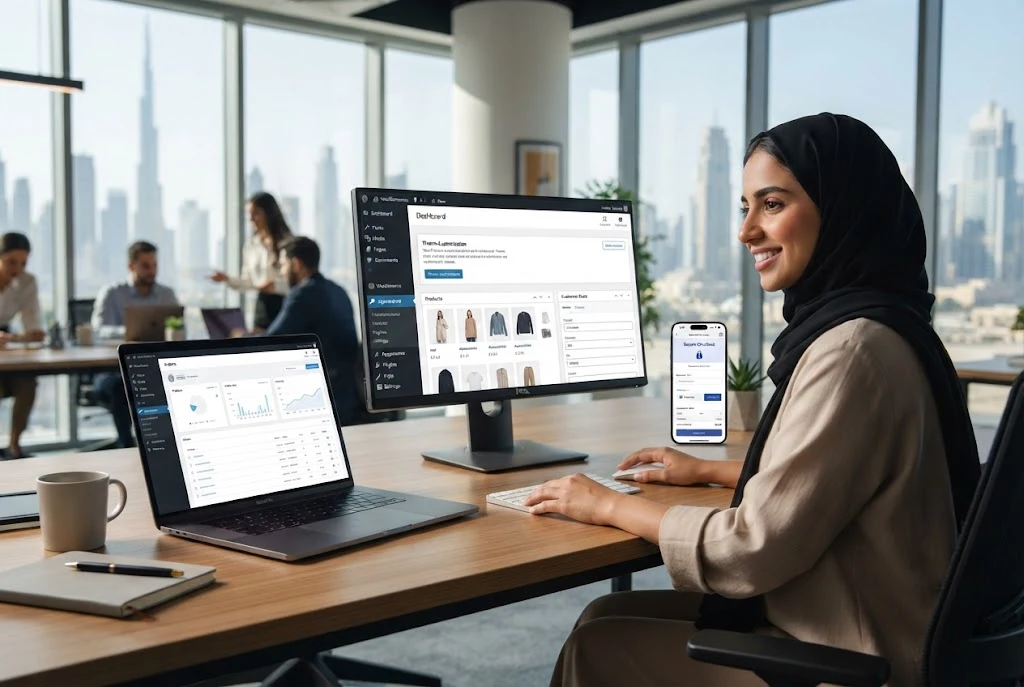
Point-of-sale technology has become an essential part of modern business operations. Whether you run a retail store, restaurant, supermarket, pharmacy, electronics shop, or wholesale business, a reliable POS system helps streamline sales, inventory management, customer transactions, and reporting.
While many businesses choose commercial POS platforms, others prefer open source POS software because of its flexibility, customization options, and lower software licensing costs. Open-source solutions allow businesses to modify software according to their operational requirements while maintaining greater control over their technology environment.
As digital transformation continues across the UAE and global markets, open-source POS platforms remain a popular option for organizations seeking adaptable business management solutions.
What Is Open Source POS Software?
Open source POS software is a point-of-sale system whose source code is publicly available for modification and customization.
Unlike proprietary POS systems, open-source platforms allow developers and businesses to access, modify, and extend software functionality based on specific business requirements.
These systems typically support:
- Sales processing
- Inventory management
- Customer management
- Reporting and analytics
- Product management
- Employee management
- Multi-location operations
The flexibility of open-source software makes it attractive to organizations with specialized operational needs.
Why Businesses Choose Open Source POS Software
Businesses select open-source POS platforms for a variety of reasons.
Customization Flexibility
Organizations can modify workflows, interfaces, and integrations according to operational requirements.
Lower Licensing Costs
Many open-source systems can be downloaded and deployed without traditional software licensing fees.
Technology Control
Businesses retain greater control over system configurations and future development decisions.
Integration Opportunities
Open-source platforms often support integrations with inventory systems, ERP solutions, accounting software, and CRM platforms.
Core Features of Open Source POS Software
Although capabilities vary between platforms, most modern POS systems include a standard set of features.
Sales Processing
Handle transactions quickly while supporting multiple payment methods.
Stock Management
Track inventory levels automatically as products are sold.
Customer Management
Store customer information and purchase history for improved service and marketing.
Reporting and Analytics
Generate sales reports, inventory reports, and operational performance insights.
Employee Access Controls
Manage user permissions and monitor staff activity.
Open Source POS Software and Inventory Management
Inventory management is one of the most important components of any POS system.
Modern POS platforms help businesses:
- Track stock inventory levels
- Monitor product movement
- Reduce inventory errors
- Improve stock control
- Support purchasing decisions
Organizations seeking more advanced inventory capabilities often integrate POS systems with inventory management software UAE solutions.
This integration improves inventory visibility and operational efficiency.
Open Source POS Software for Small Businesses
Small businesses often choose open-source POS systems because they offer affordability and flexibility.
Benefits include:
- Lower upfront costs
- Customizable workflows
- Inventory management capabilities
- Scalable deployment options
- Support for growing operations
Many businesses currently using an inventory system for small business environment eventually integrate POS software to improve sales and inventory synchronization.
Open Source POS Software for Retail Businesses
Retail stores frequently rely on POS systems to manage customer transactions and inventory simultaneously.
Retail-focused POS software typically supports:
- Barcode scanning
- Product catalogs
- Inventory tracking
- Customer accounts
- Discount management
- Sales reporting
These features help retailers improve operational efficiency while providing a better customer experience.
Open Source POS Software for Restaurants
Restaurants also benefit from POS systems designed specifically for food service operations.
Restaurant POS platforms often integrate with restaurant inventory system solutions to automate ingredient tracking and inventory management.
This integration helps:
- Reduce food waste
- Improve stock control
- Automate inventory updates
- Support menu management
- Improve operational efficiency
For restaurants with multiple locations, centralized POS management can be particularly valuable.
Open Source POS Software and ERP Integration
As businesses grow, they often seek deeper integration between sales operations and broader business systems.
Many organizations connect POS platforms with an ERP inventory system to synchronize inventory, procurement, accounting, and reporting processes.
Larger businesses frequently adopt a one ERP system strategy to create a centralized operational environment.
This approach improves data consistency and reduces manual processes.
Potential Challenges of Open Source POS Software
While open-source solutions offer significant advantages, businesses should also understand potential challenges.
Technical Expertise Requirements
Customization and maintenance may require development resources.
Support Availability
Some platforms rely heavily on community support rather than dedicated vendor support teams.
Implementation Complexity
Advanced customizations can increase deployment complexity.
Security Management
Businesses are often responsible for maintaining system updates and security best practices.
Careful planning can help organizations address these considerations effectively.
Cloud-Based vs Self-Hosted Open Source POS Software
Businesses generally have two deployment options.
Cloud-Based Deployment
- Remote accessibility
- Lower infrastructure requirements
- Automatic updates
- Simplified management
Self-Hosted Deployment
- Greater system control
- Custom hosting environments
- Advanced customization flexibility
- Independent infrastructure management
The ideal deployment model depends on technical capabilities and business requirements.
How to Choose the Right Open Source POS Software
Before selecting a POS solution, businesses should evaluate:
- Business type
- Inventory requirements
- Customization needs
- ERP integration requirements
- Scalability goals
- Technical resources
- Reporting functionality
- Security considerations
The best platform should support both current operations and future growth.
Businesses researching POS technology trends and retail innovation can also explore resources from the National Retail Federation (NRF), which provides industry insights on retail technology, customer experience, and digital transformation.
Final Thoughts
Open source POS software offers businesses a flexible and cost-effective approach to managing sales, inventory, and customer transactions. Its customization capabilities make it especially attractive for organizations with unique operational requirements.
Whether used independently or integrated with inventory management and ERP platforms, open-source POS systems can help businesses improve efficiency, gain operational visibility, and support long-term growth. Choosing the right solution depends on business goals, technical resources, and future scalability requirements.